Monday - Friday 07:30 - 17:30, Saturday 07:30 - 16:00
Floor Restoration in Balham
Back to Portfolio
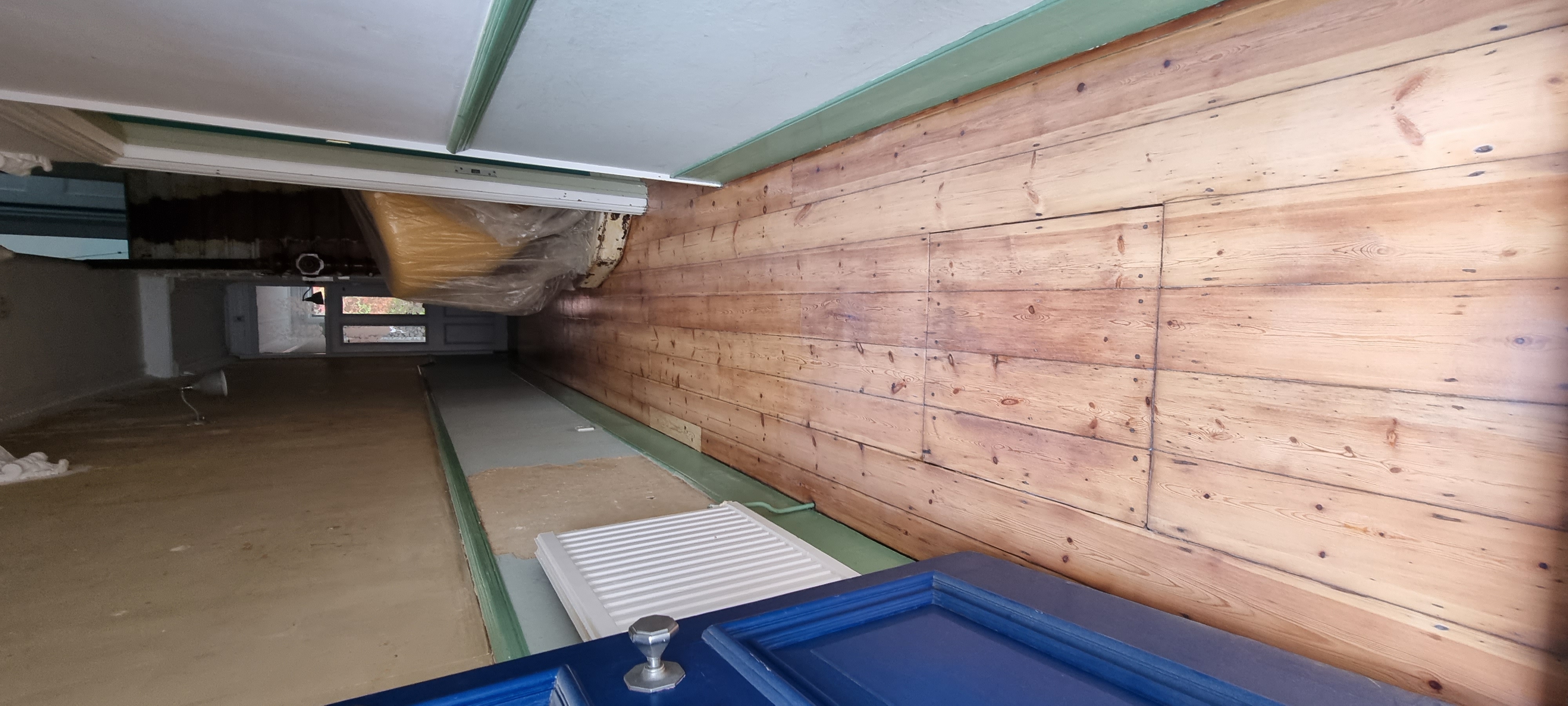
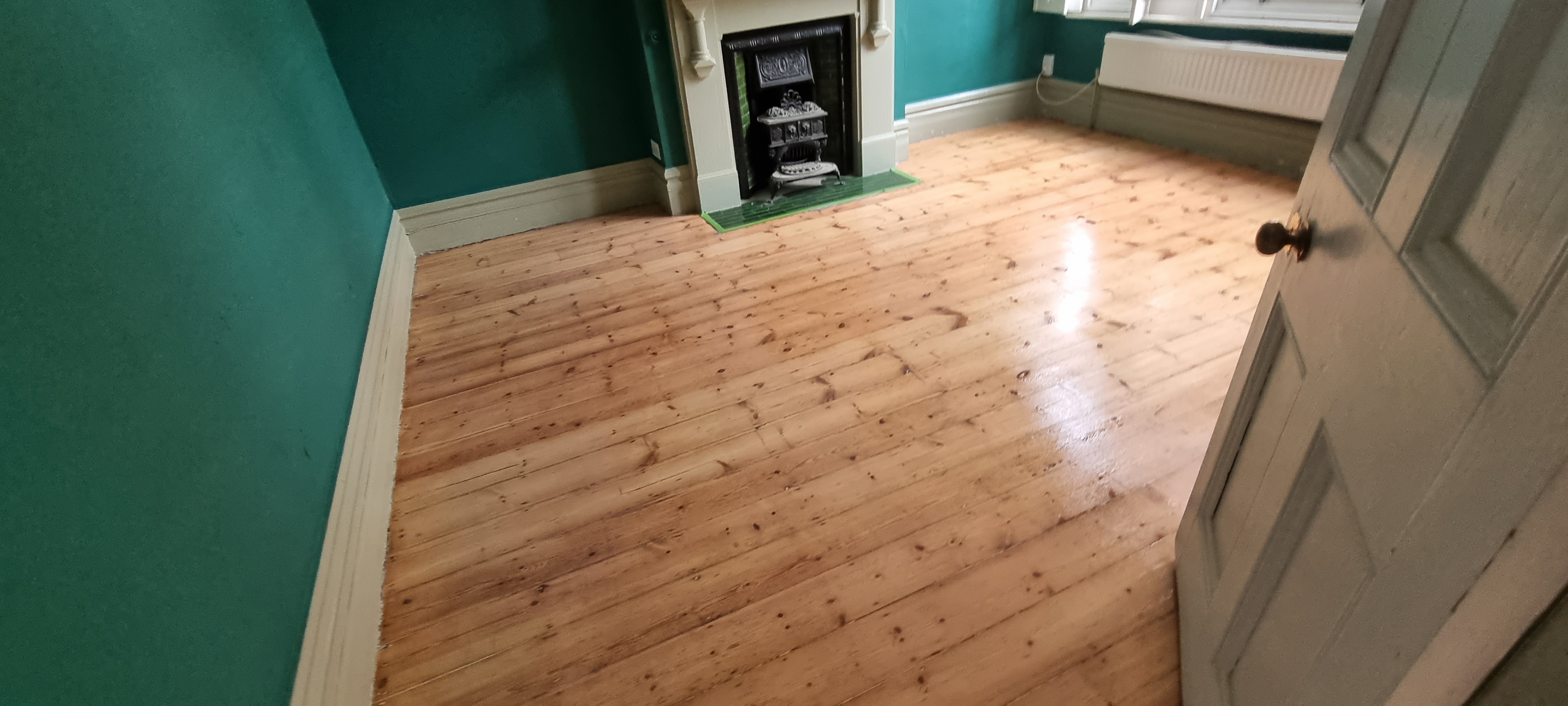
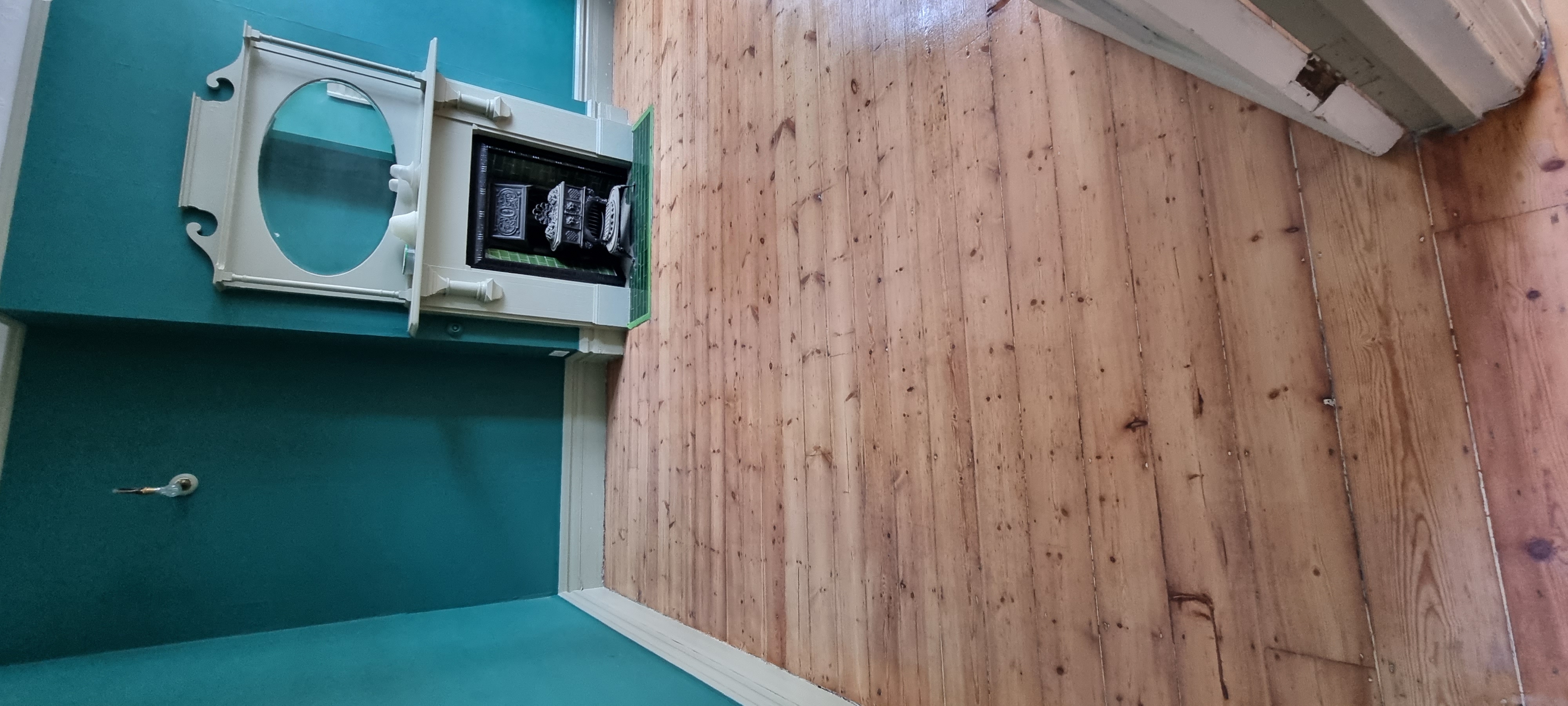
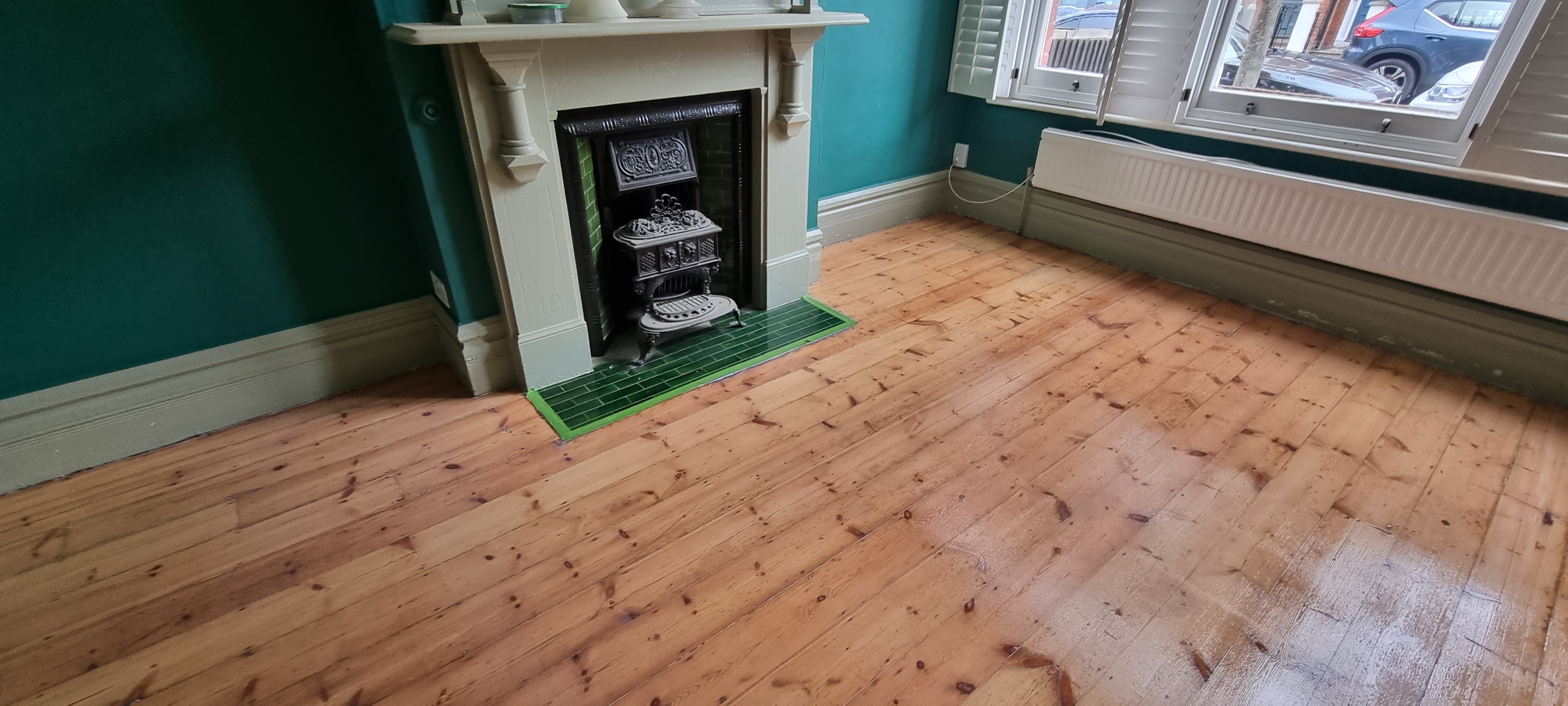
Floor Restoration in Balham
This Victorian terraced property in Balham required comprehensive floor sanding across three rooms following water damage to the original pine boards. The owners wanted to restore the floors to their former condition without replacing the timber, so we carried out a full sanding and finishing programme to bring the wood back to life.
Work carried out
- Full floor sanding across 45 square metres
- Removal of old varnish and surface contamination
- Grit progression from 60 through to 150 grit
- Dust containment throughout the work
- Application of hard wearing polyurethane finish in satin
- Edge sanding and corner work
About the project
The Balham property had experienced a burst pipe that affected the ground floor dining room and extended into the hallway and front sitting room. The water had caused the pine boards to swell and lift in patches, leaving the surface uneven and the existing finish badly compromised. The clients had received quotes for board replacement, but recognised that the underlying timber was structurally sound once dried. This made sanding and refinishing the most sensible approach, preserving the original character of their 1890s home.
Our team began by assessing the moisture content across all affected areas. We allowed an additional two weeks drying time before starting work, using portable dehumidifiers to bring moisture levels back to acceptable standards. The boards had also been treated with a dark stain previously, which had become patchy and uneven. This required patient sanding with our progression of grits, working through the stains systematically rather than trying to sand everything in one pass. The final finish was a contemporary satin polyurethane, which offers better water resistance than the original varnish while maintaining the natural wood appearance the owners wanted.
About our Balham service
Balham's housing stock divides fairly evenly between Victorian and Edwardian terraces, with some mansion blocks and newer builds mixed in. Most of the older properties contain original or period appropriate softwood flooring, typically pine or occasionally fir. These floors have character and warmth but can be prone to movement and damage if not properly maintained. We work regularly across the area, handling everything from straightforward refresh sanding on existing finishes through to full restoration of floors that have suffered neglect or water damage. The terraced properties often have rooms of generous proportions with original boards running the full length, which means large single spaces rather than piecemeal sections.
The newer developments in Balham tend towards engineered oak or laminate, which are not suitable for sanding. Where we do work with new builds, it's usually to maintain or repair real wood flooring rather than starting from scratch. The Edwardian properties often feature slightly narrower boards than their Victorian neighbours, and some have been covered with carpet for decades, making the restoration process particularly rewarding. Damp can be an issue in older Balham properties, particularly those with solid ground floors, so assessing and addressing moisture before sanding is a critical part of our approach.
Frequently asked questions
How much does floor sanding cost per square metre?
Sanding costs typically range from £25 to £45 per square metre depending on the existing finish condition, floor species, and access. A heavily stained or sealed floor costs more to sand than lightly finished boards. The price includes preparation, dust containment, sanding through our full grit sequence, and supply of finish. We provide a detailed quote after site inspection.
How long does the sanding process take?
A typical three bedroom terraced house takes five to seven working days from start to finish. This includes two days of sanding work, dust removal, and three days for finish application and drying time between coats. You can usually return to normal use after five days, although full cure takes around two weeks. The exact timeline depends on board condition and the finish you choose.
Is the sanding process dust free?
We use industrial dust extraction systems connected directly to our sanding equipment, capturing approximately 95 percent of dust at source. We also seal doorways with plastic sheeting and use air scrubbers to manage any remaining particles. While not completely dust free, our containment methods are far more effective than traditional open sanding, and you won't see significant dust settlement in adjacent rooms when we follow our protocols properly.
Project Gallery