Monday - Friday 07:30 - 17:30, Saturday 07:30 - 16:00
Floor Sanding and Restoration in Clapham, SW4
Back to Portfolio
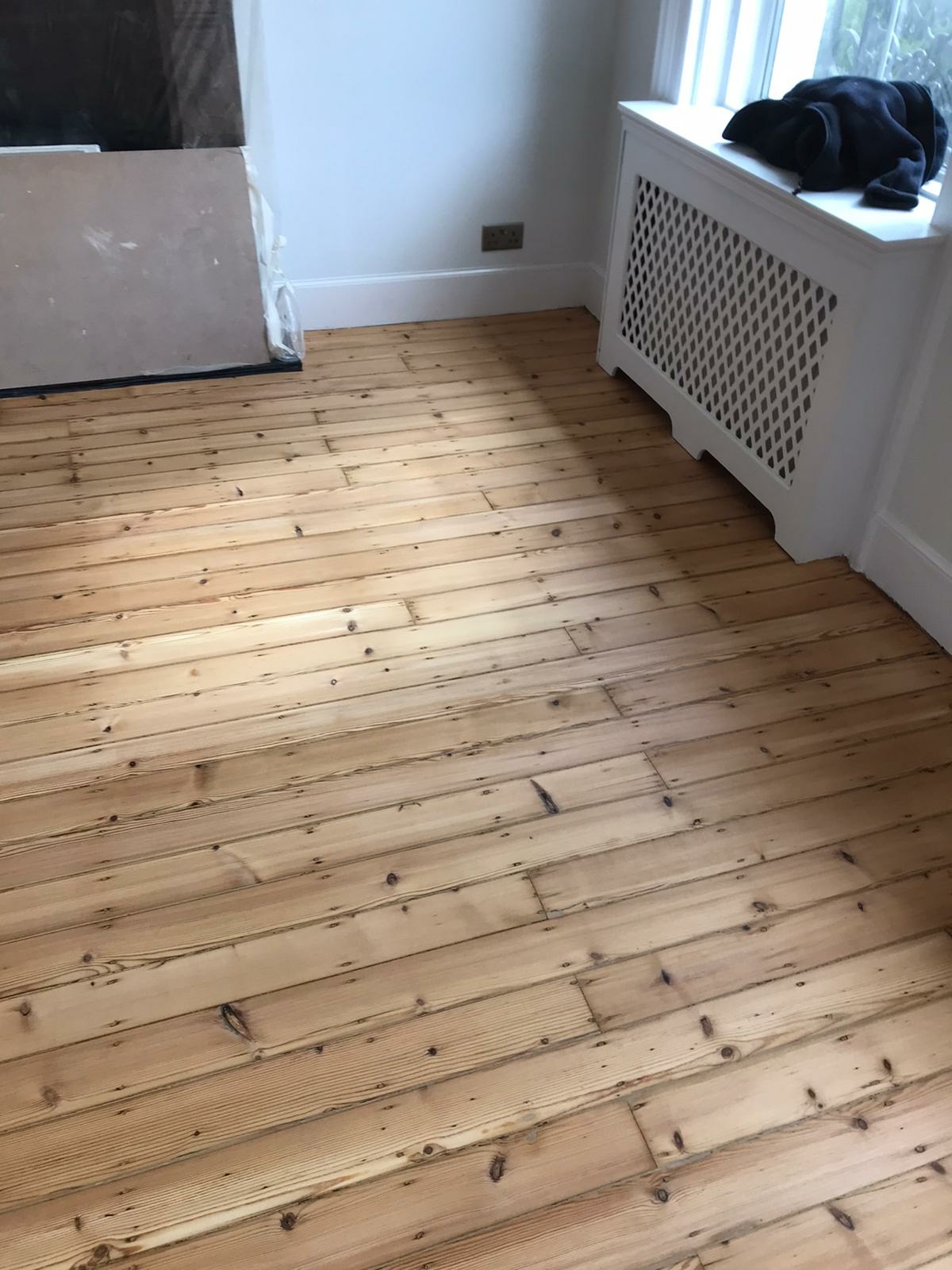
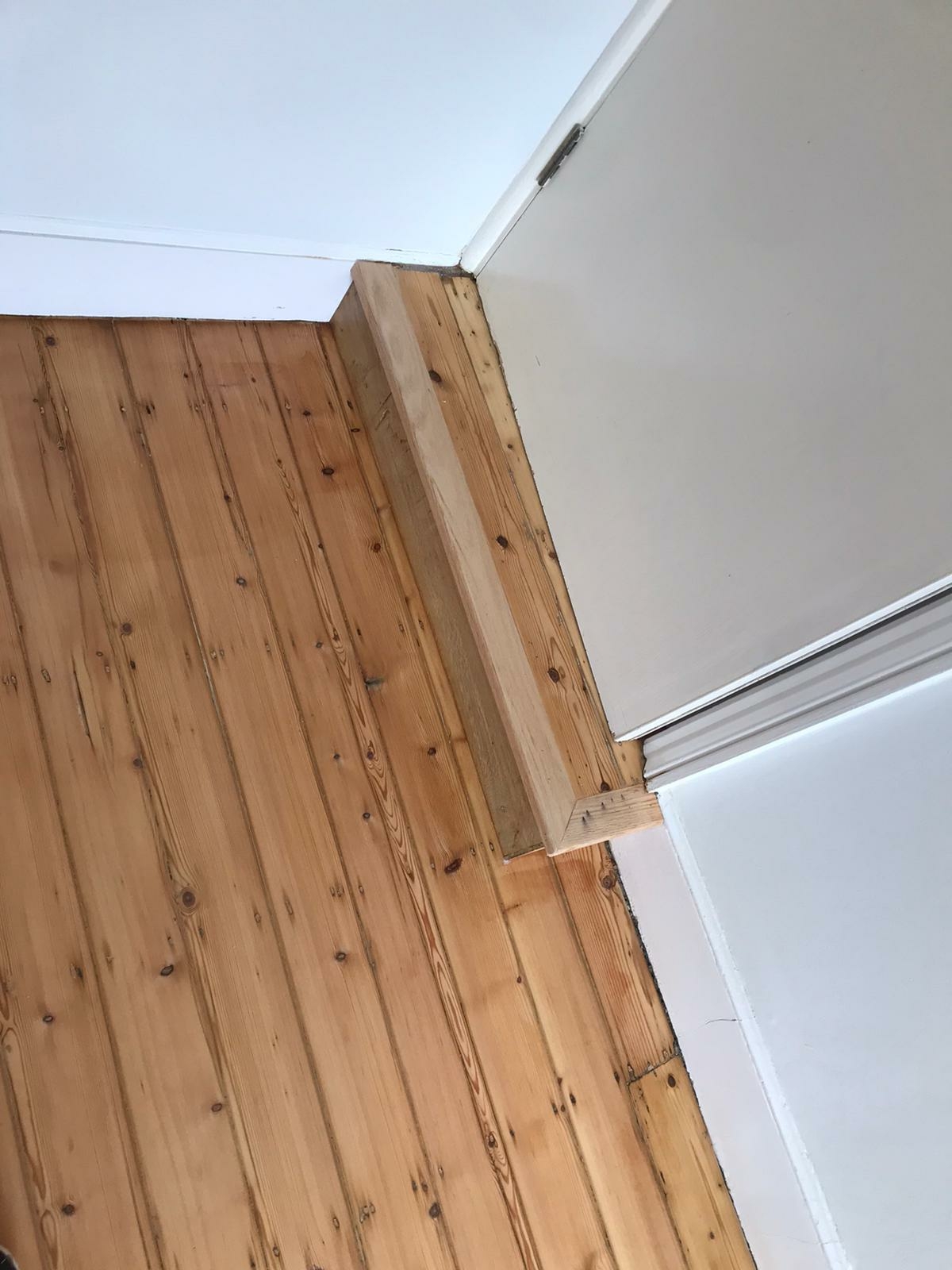
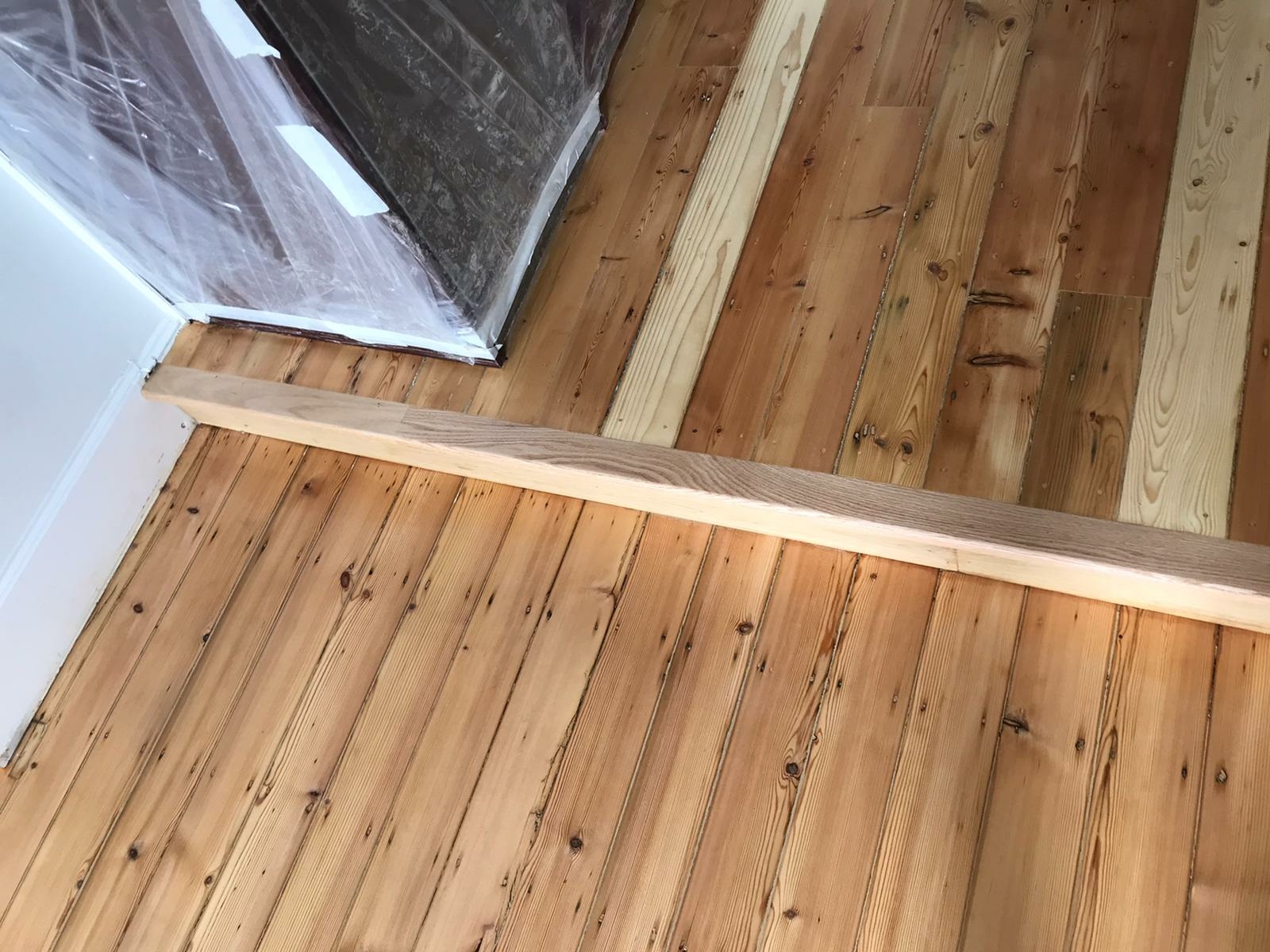
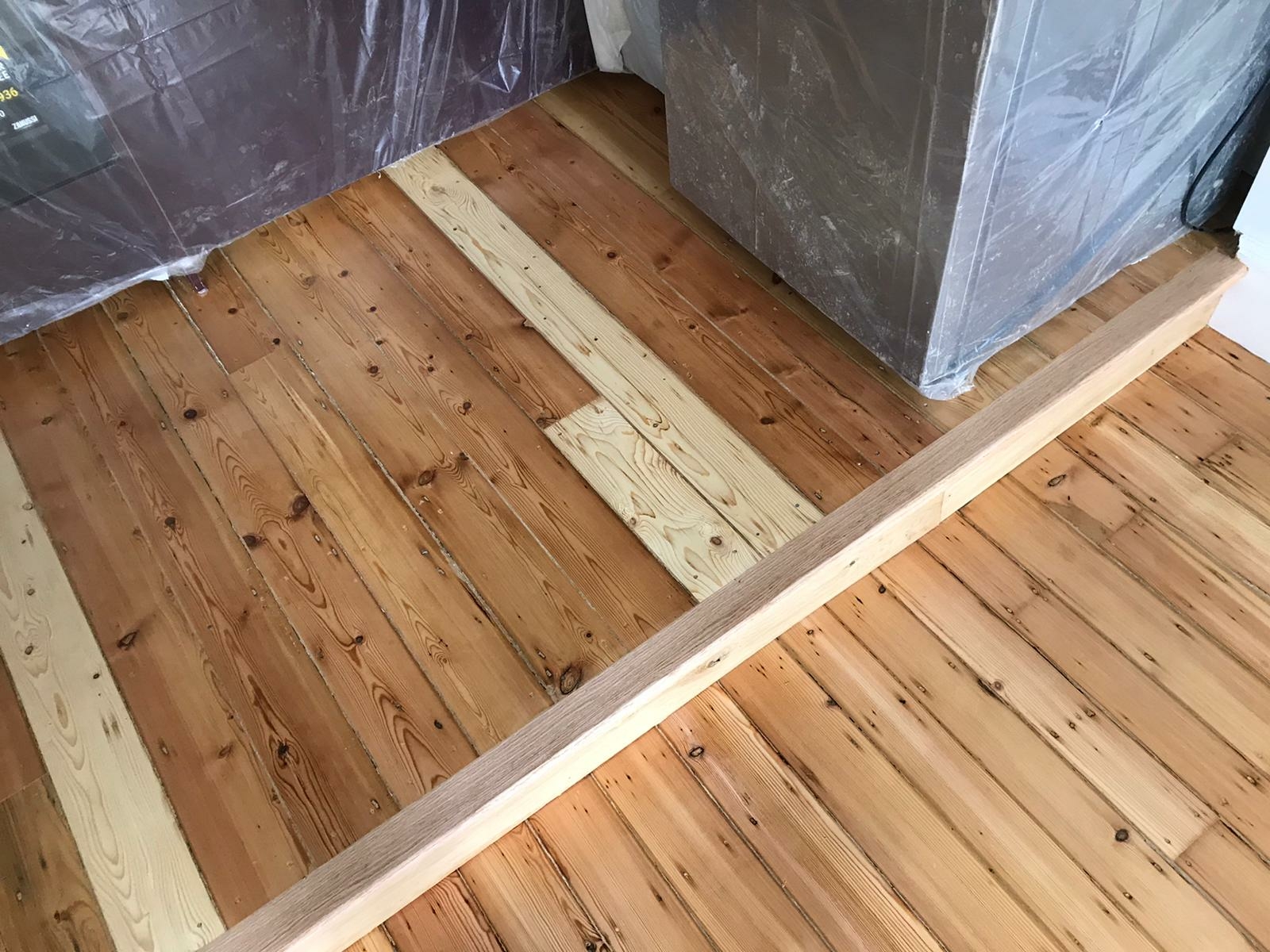
Floor Sanding and Restoration in Clapham, SW4
We recently completed a full floor sanding project on a Victorian terraced property in Clapham, where tired original oak boards had become worn and scratched over decades of use. The client wanted to restore the floors to their natural beauty without replacing them. Our team stripped back the existing finish, sanded the boards smooth, and applied a durable protective coat that brought the grain back to life.
Work carried out
- Complete sanding of original oak floorboards across ground and first floors
- Dust extraction throughout the process to minimise disruption
- Filling of gaps and minor damage between boards
- Application of hard-wearing matte finish protective coating
- Final inspection and touch-ups to ensure consistent results
About the project
This Clapham property had solid oak boards running throughout the main living areas, but they'd taken a beating over the years. There were visible scratches, dull patches where the finish had worn away, and some surface-level gaps that had opened up as the timber naturally moved with seasonal changes. The owner had considered replacing the lot, but we advised that sanding was the better option, both economically and in terms of preserving the character of the period property.
The main challenge was dust management in a London terraced house where neighbours are close by. We sealed off the work areas properly and used industrial extraction equipment to capture dust at source. The whole job took five working days, with drying time built in between coats. We worked methodically, starting with coarser grits and finishing with fine sanding to prepare the surface for the protective coating. The client was able to move back in within a week and begin enjoying properly restored floors that look nothing like they did when we started.
About our Clapham, SW4 service
Clapham has a strong mix of Victorian and Edwardian terraced properties, many of which have original timber floors beneath carpet or damaged finishes. We work regularly across SW4 on these period properties, where floor restoration is almost always a better bet than replacement. The neighbourhood also has a growing number of converted Victorian warehouses and newer builds that often feature engineered or solid wood flooring, but the older stock is where we do most of our sanding work. Homeowners in Clapham tend to value authenticity and sustainability, so restoring existing floors fits well with that mindset.
Most properties we visit have either solid hardwood floors in the main rooms, or a mix of solid boards upstairs and softer timber in kitchens and hallways. Victorian boards are typically narrower and more densely grained than modern timber, which can sometimes require slightly more careful sanding to avoid overdoing certain sections. Edwardian properties often have longer boards and slightly wider planks. We've learned which local contractors do good preparatory work and which tradespeople to coordinate with when floors are being done as part of a larger refurbishment. We understand Clapham's older building stock and how to work safely within it.
Frequently asked questions
How much does floor sanding cost per square metre in Clapham?
Sanding costs typically range from £25 to £45 per square metre depending on the floor's current condition, timber type, and what finish is being applied. Very worn or damaged boards take longer to sand and may cost more. A straightforward Victorian floor in decent condition would be at the lower end of that range.
How long does the sanding process take?
For an average terraced house with around 60 to 80 square metres of floorboards, sanding takes between four and six working days. This includes preparation, the actual sanding across multiple grits, filling any gaps, applying finish coats, and drying time. You can usually walk on the floors after 48 hours, but we recommend waiting a week before moving furniture back.
Will the sanding process create a lot of dust?
Modern sanding equipment with proper dust extraction captures around 95 percent of the dust at source. We use industrial-grade extractors and seal the work area to prevent dust spreading through your home or affecting neighbours. You will notice some dust, but it's far less than with older sanding methods or when amateurs tackle the job without extraction equipment.
Project Gallery